
When the Agent Loop Becomes the Production Loop
Build Better · Vol 9

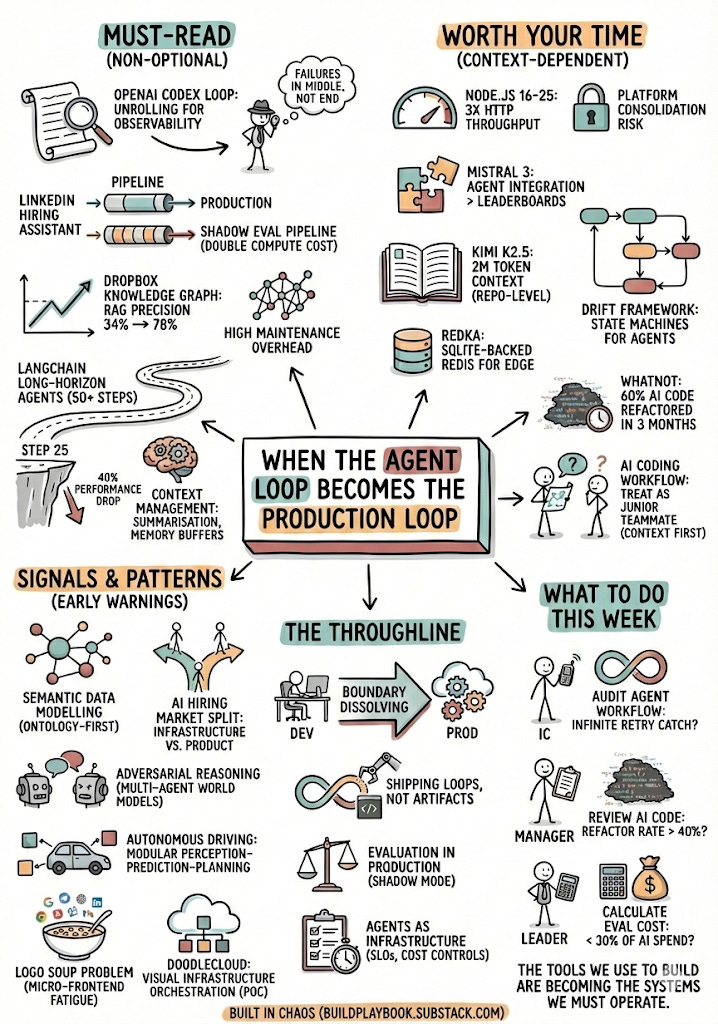
This week was about the moment when abstraction collapses into infrastructure. We watched OpenAI unroll their Codex agent loop into something you can inspect, while LinkedIn revealed how they gave coding agents organisational memory through playbooks and tool graphs.
The pattern is not “AI is coming.” The pattern is that the boundary between the development environment and the runtime environment is dissolving. Teams are no longer shipping code. They are shipping intent loops that rewrite themselves. The risk is not hallucination. The risk is unobservable recursion.
What kind of week was this for builders? A week where the tools we use to build are becoming the systems we must operate.
Must-Read
Non-optional if you’re responsible for systems in production.
🔴 OpenAI’s Codex loop unrolling reveals where agent execution actually fails
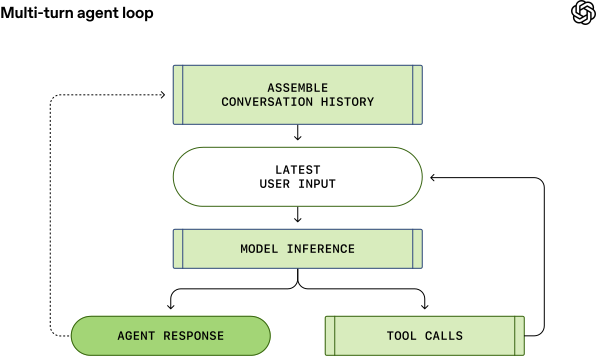
OpenAI published its internal agent loop architecture, showing how Codex handles tool selection, error recovery, and context window management.
The critical detail: they expose the full execution trace, not just the final output. This matters because most agent failures happen in the middle of multi-step chains, not at the end. If you are running agents in production, you need observability into the loop itself, not just the result.
🔗 Unrolling the Codex Agent Loop
🔴 LinkedIn’s hiring assistant required a complete rewrite of their evaluation infrastructure
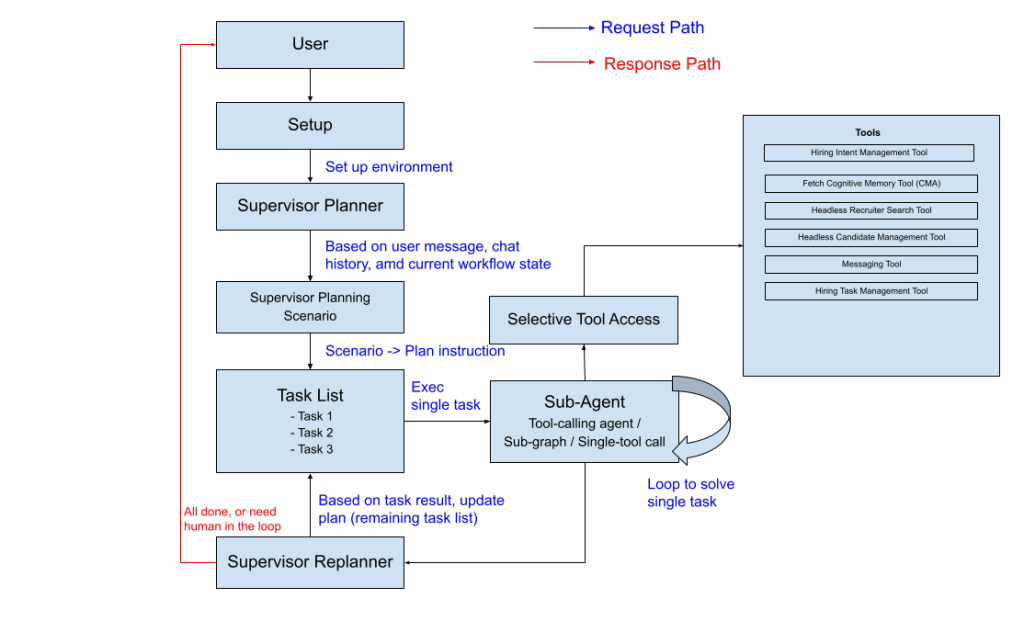
LinkedIn’s engineering team detailed how they built their AI hiring assistant. The hard part was not the model. It was creating evaluation frameworks that could measure “good hire” signals without replicating historical bias. They ended up building a parallel shadow evaluation pipeline that runs on every production recommendation. The lesson: agentic systems in high-stakes domains require an evaluation infrastructure that doubles your compute cost.
🔗 How we engineered LinkedIn’s hiring assistant
🔴 Dropbox knowledge graph architecture pushed RAG precision from 34% to 78%
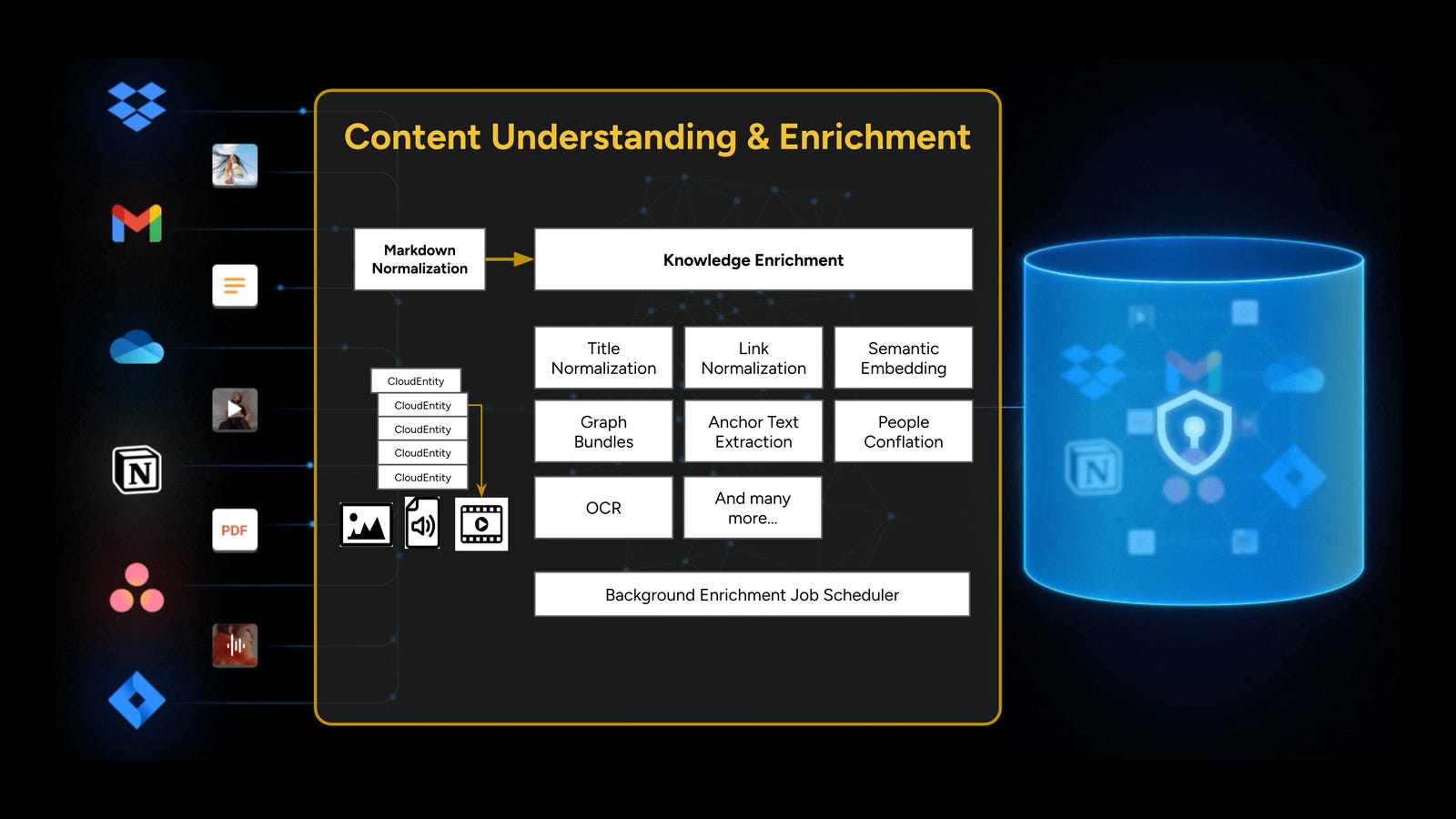
Dropbox’s VP of Engineering detailed their shift from simple RAG to a structured knowledge graph feeding agents through MCP (Model Context Protocol). The metric that drove the change: their previous RAG system had a 34% precision rate on complex multi-document queries. The knowledge graph pushed that to 78%. The tradeoff is maintenance overhead. Graphs require curation. RAG requires retrieval. You cannot have both without a headcount.
🔗 Knowledge Graphs, MCP, and DSPy
🔴 LangChain reveals 40% performance drop after step 25 for long-horizon agents
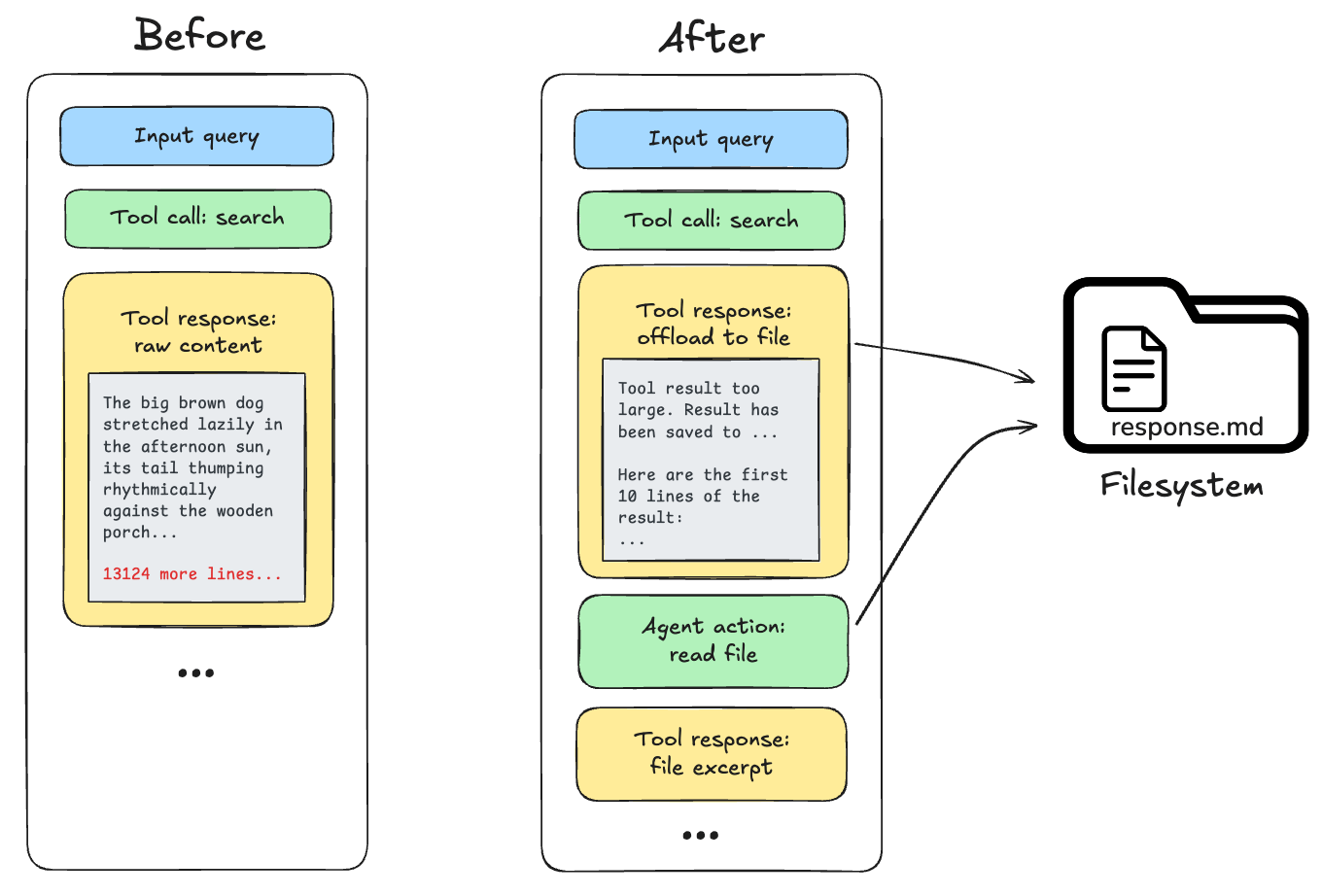
LangChain’s Deep Agents SDK post argues that context management for agents running 50+ step workflows requires new primitives: hierarchical summarisation, working memory buffers, and attention gating. The specific claim: naive context window usage leads to 40% performance degradation on long-horizon tasks after step 25. This is not a model problem. It is an architecture problem. Offloading tool results to the filesystem and compressing conversation history became mandatory, not optional.
🔗 Context Management for Deep Agents
Worth Your Time
Important, but context-dependent.
🟡 Node.js 16 to 25 shows 3x HTTP throughput improvement but hides platform consolidation risk
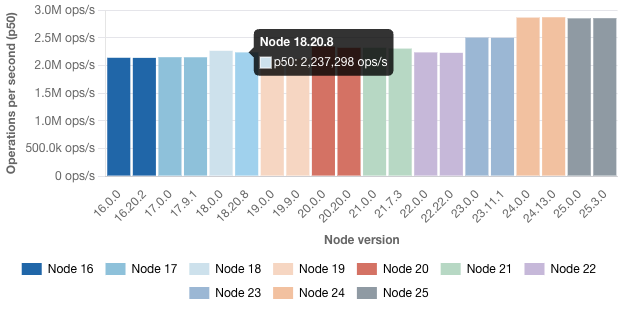
Benchmarks from Node.js 16 through 25 reveal a 3x improvement in HTTP throughput and 40% reduction in memory pressure for async operations. The catch: these gains come from increasingly opinionated internal implementations that replace ecosystem packages. The platform is absorbing its own dependencies. This reduces choice but increases stability. Choose based on your team’s tolerance for vendor lock-in versus maintenance burden.
🟡 Mistral 3 shifts differentiation from leaderboards to agent integration
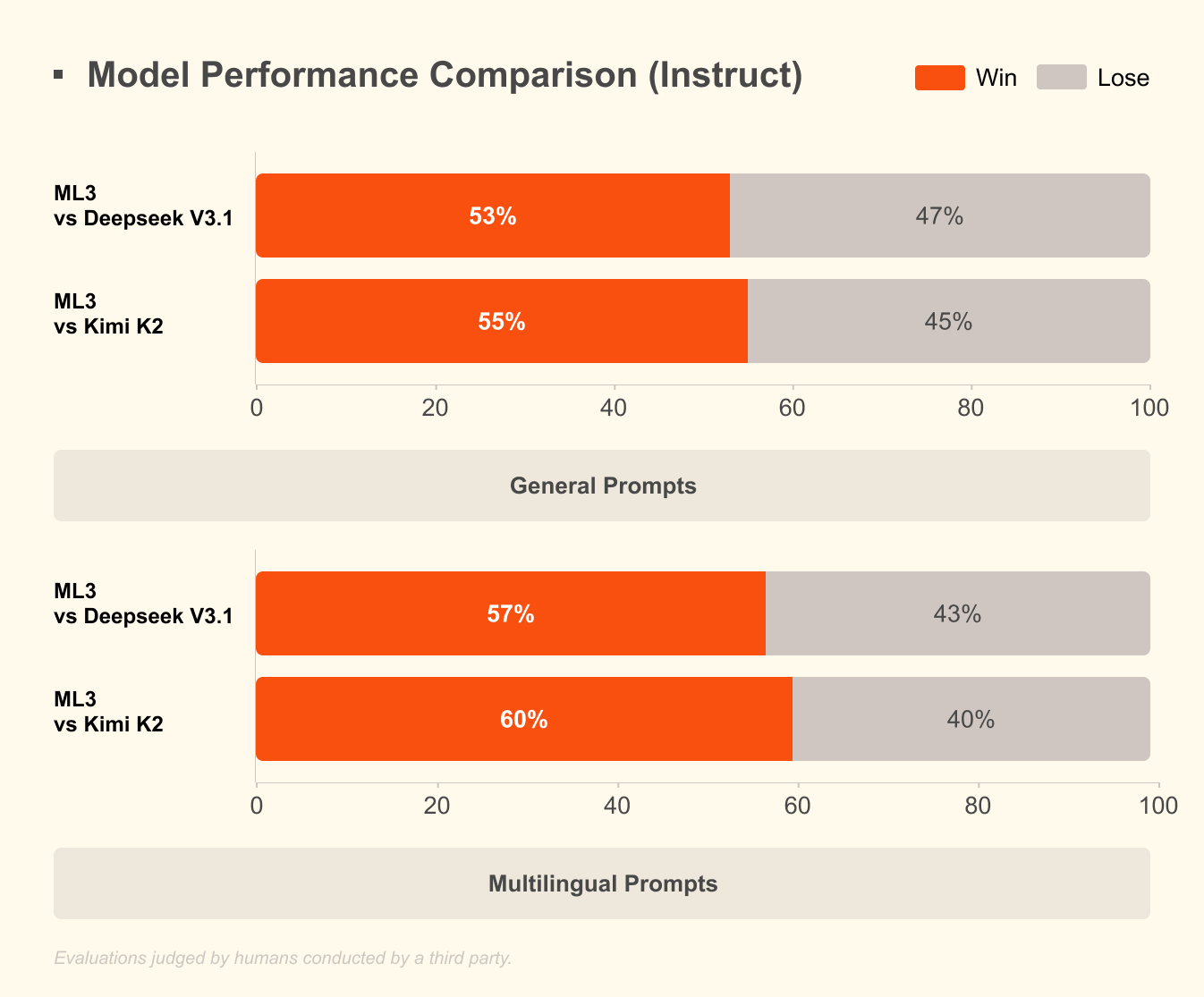
Mistral’s latest release emphasises tool use and structured output over raw capability benchmarks. The shift signals a market realisation: model differentiation is now about agent integration, not leaderboard position. Mistral Large 3 debuts at #2 in the OSS non-reasoning models category. If you are model shopping, evaluate tool calling latency and JSON schema adherence, not just MMLU scores.
🟡 Kimi K2.5 targets 2M token context for repository-level code understanding
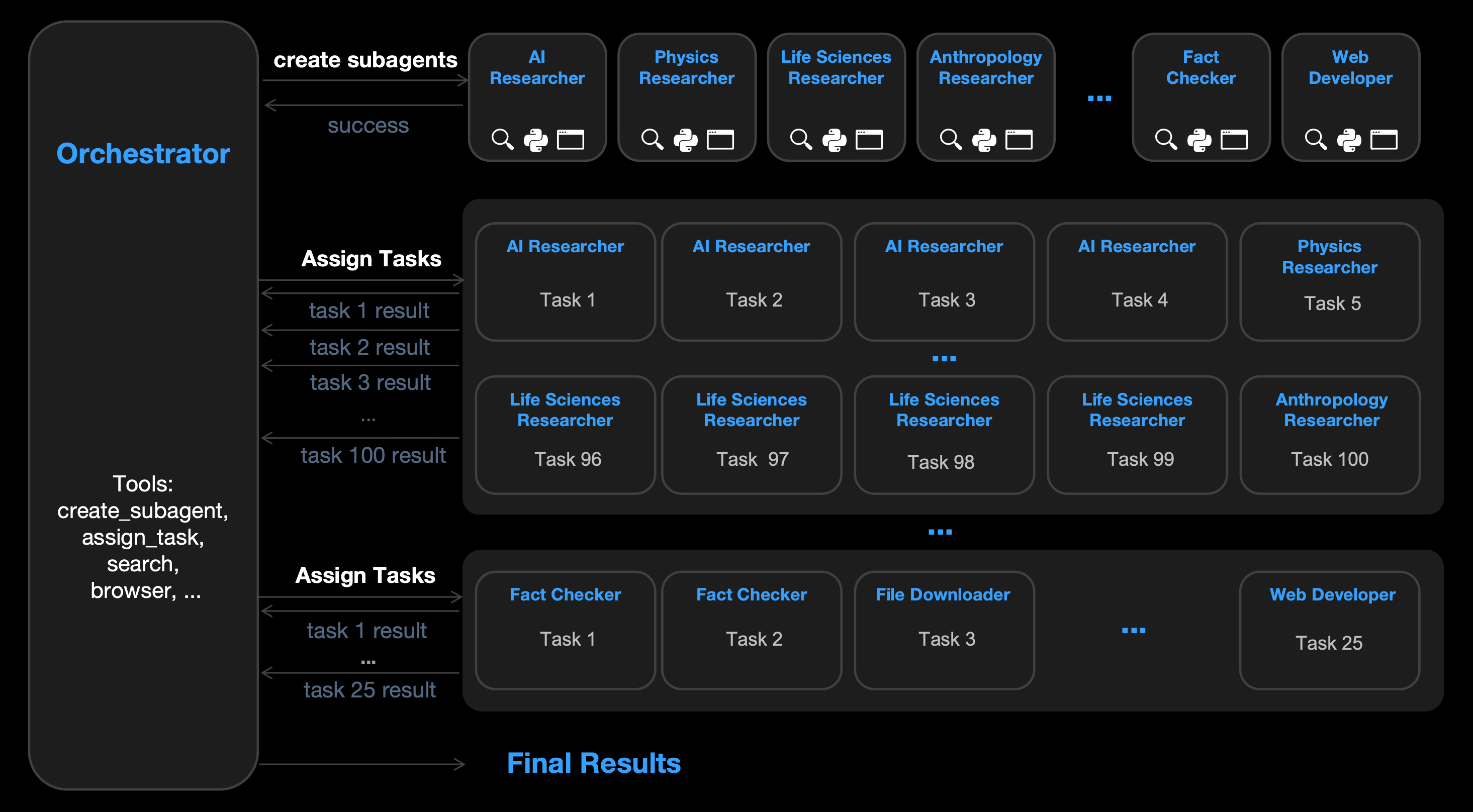
Kimi’s new release focuses on 2M token context windows with specific optimisations for repository-level code understanding. The practical implication: you can now feed entire production codebases into a single prompt. The risk is that this encourages architectural decisions made without modular reasoning. Convenience often masks complexity.
🟡 OpenClaw attempts to standardise agent hardware interfaces
A new open-source project aims to create universal APIs for robotic actuators and sensors, treating hardware like software dependencies. The bet is that agentic control loops will need to span digital and physical contexts. Early, but the abstraction is directionally correct if you believe agents will operate physical infrastructure.
🟡 Redka brings SQLite-backed Redis compatibility for edge deployments
An implementation of the Redis protocol over SQLite, targeting environments where Redis operational overhead is unacceptable. The tradeoff: you lose the performance characteristics that make Redis valuable for high-throughput caching. The win: you gain ACID semantics and single-file portability. Consider for edge deployments and local development environments only.
🔗 https://github.com/nalgeon/redka
🟡 Drift framework proposes state machine abstractions for agent workflows
A new framework treats agent execution as explicit state machines rather than implicit prompt chains. The insight: most agent failures are state management failures, not model failures. If you are building agents, the question is not whether to use this framework, but whether you have equivalent state visibility in your current implementation.
🟡 Whatnot reports 60% of AI-generated code required refactoring within three months
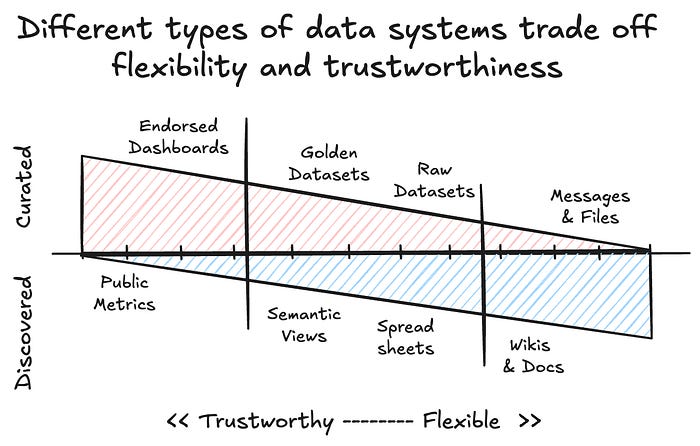
Whatnot Engineering reports that simply giving data scientists AI coding tools increased output volume but decreased code reuse and documentation quality. The fix was not better tools. It was a restructuring of code review to catch AI-generated technical debt. The metric: 60% of AI-generated code required significant refactoring within three months. Velocity without process is just debt accumulation.
🟡 AI coding workflow requires treating models as junior teammates who just joined
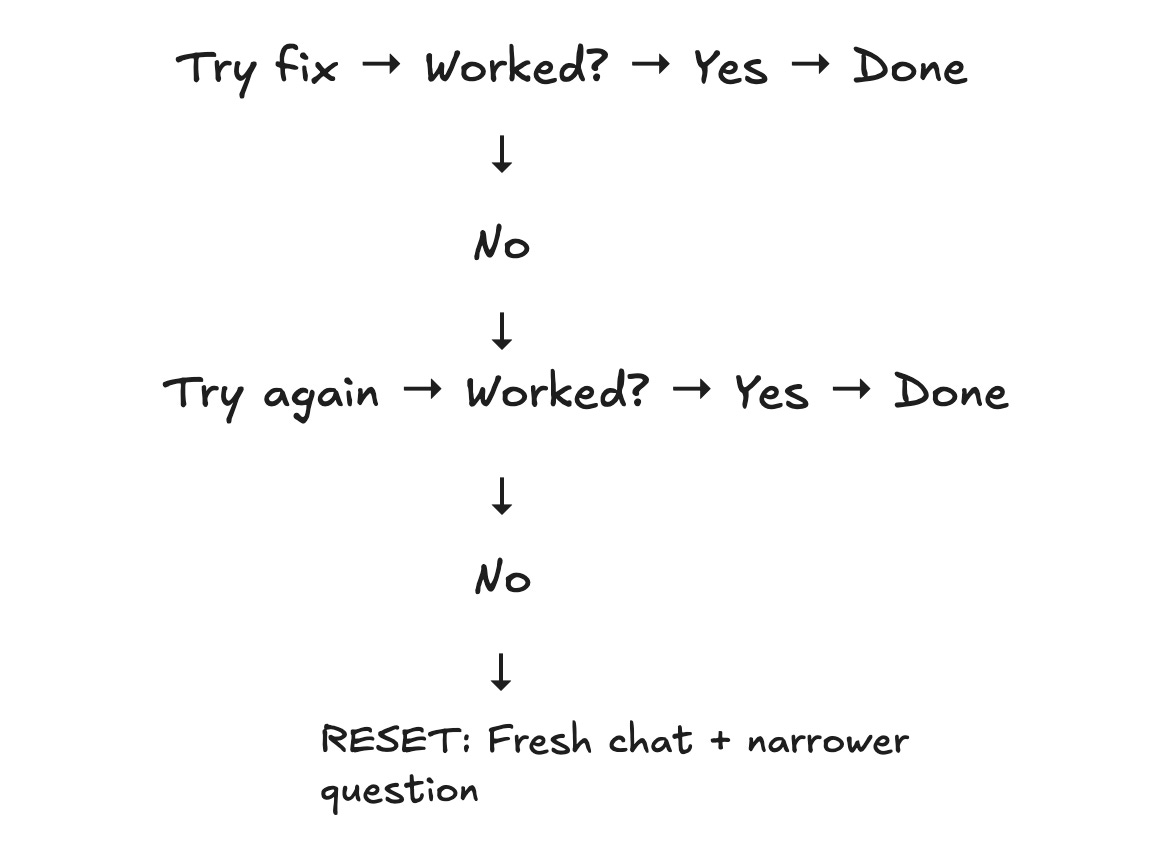
System Design One published a detailed workflow guide for coding with AI. The core insight: AI is a smart teammate who joined your project five minutes ago. They can write quickly, but they don’t know your architecture, your conventions, or your constraints unless you tell them. The pattern: context first, plan before code, review everything, test immediately, iterate in small steps. The failure mode: assuming the model knows what you didn’t explicitly provide.
🔗 AI Coding Workflow by Neo Kim & Louis-François Bouchard
Signals & Patterns
Not urgent yet—but early warnings.
🟢 Semantic data modelling is consolidating around ontology-first approaches
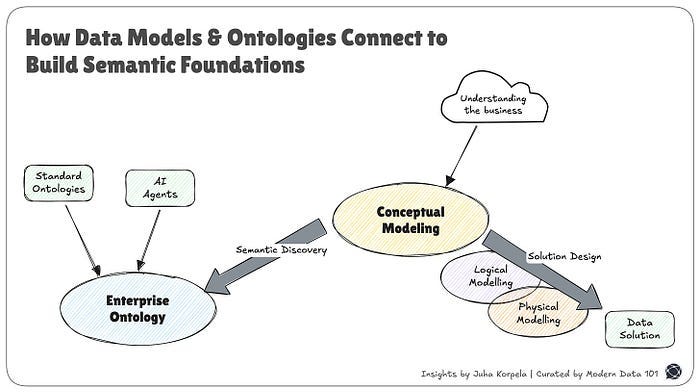
Multiple posts this week converged on the same pattern: treating data models and ontologies as unified semantic foundations rather than separate layers. The accumulation suggests that knowledge graph adoption is moving from graph databases into mainstream application architecture. Watch for ORMs that natively support RDF or property graph schemas.
🟢 The hiring market for AI engineers is splitting into two tracks
Analysis from Interconnects suggests the market is diverging between “AI infrastructure” roles (systems, evals, optimisation) and “AI product” roles (prompt engineering, workflow design). The middle is hollowing out. If you are positioning yourself or your team, the decision is becoming binary: build platforms or orchestrate capabilities.
🔗 Thoughts on the Hiring Market by Nathan Lambert
🟢 Adversarial reasoning emerges as a training paradigm for multi-agent world models
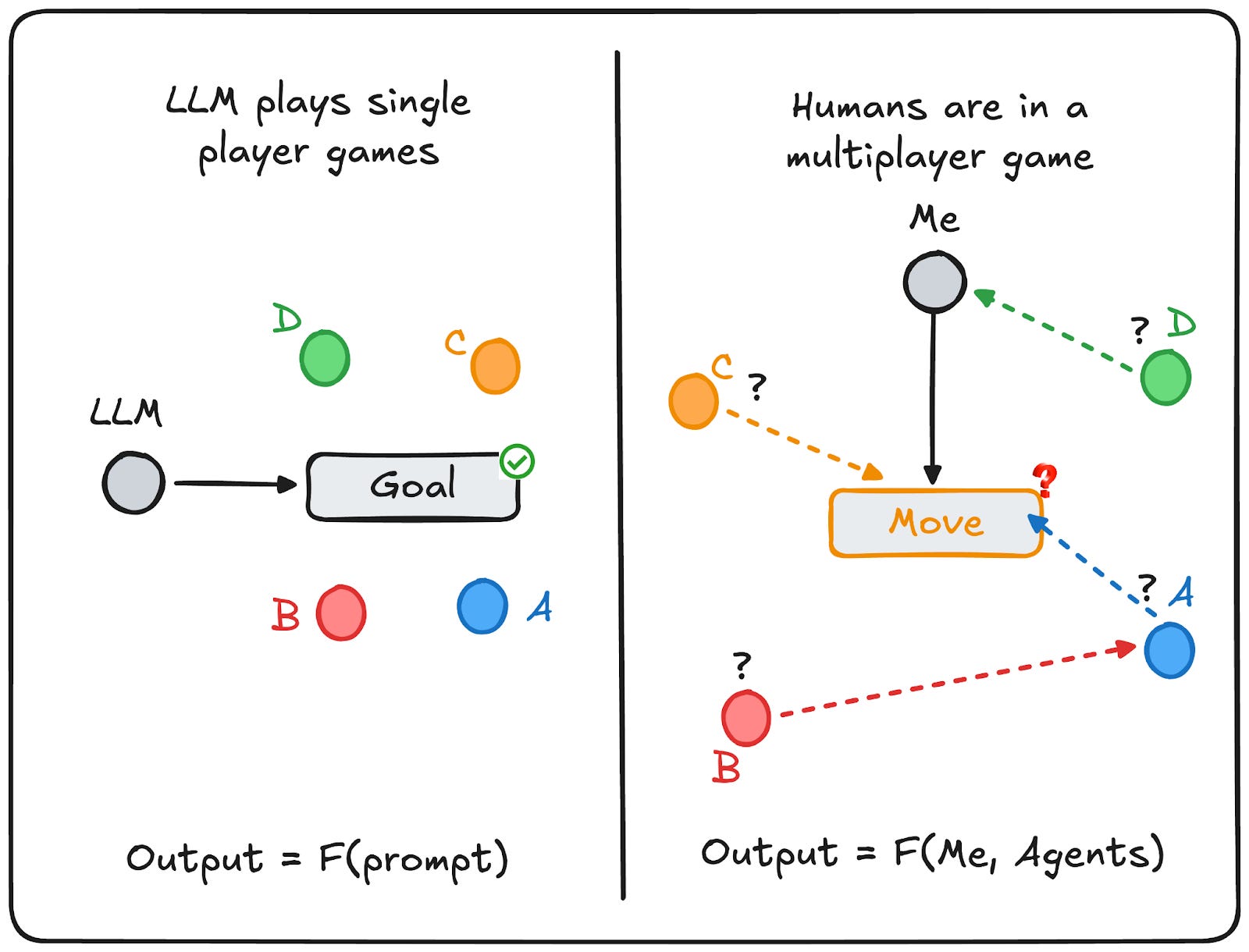
Latent Space covers research on training models through adversarial debate between reasoning paths. The pattern: instead of scaling parameters, scale the diversity of reasoning attempts and select through opposition. LLMs are optimised to produce completions that humans approve in isolation, not outputs robust to adversarial counterparties. This could reduce reliance on massive pre-training if proven at scale.
🔗 Adversarial Reasoning by Ankit Maloo
🟢 Autonomous driving stacks are converging on modular perception-prediction-planning
A technical guide to modern autonomous driving architecture shows industry consolidation around a three-stage pipeline with explicit uncertainty quantification at each boundary. The pattern suggests that end-to-end neural approaches are losing ground to compositional systems in safety-critical domains.
Implication: agentic systems in regulated industries will likely follow similar modular constraints.
🔗 Autonomous Driving Stack Guide
🟢 Logo soup problem indicates micro-frontend fatigue
Sanity.io’s post on “logo soup” (the accumulation of single-purpose SaaS tools) points to a broader pattern: teams are hitting integration complexity limits. The pendulum is swinging back toward consolidated platforms. Expect increased M&A activity as point solutions struggle to justify integration overhead against suite offerings.
🟢 DoodleCloud: interesting proof of concept for visual infrastructure orchestration
A GitHub project exploring visual programming interfaces for cloud resource management. Not production-ready, but directionally interesting for teams struggling with Infrastructure-as-Code complexity.
The pattern to watch: whether visual abstractions can maintain the auditability and version control requirements of production infrastructure.
🔗 https://github.com/depreciating/DoodleCloud
The Throughline
The line between the development and production environments is gone.
What is really changing is that we are no longer shipping artifacts. We are shipping loops that generate artifacts, and those loops run continuously, not just at deploy time.
The Shift:
It used to be: You write code, you test it, you ship it, you monitor it.
Now it is: You describe intent, an agent generates code, the code runs, the agent observes the result, and the loop continues without a human gate.
It used to be: Context management was a UX problem. (How much can the user see)
Now it is: Context management is a systems problem. (How much can the agent remember without hallucinating or leaking)
It used to be: Evaluation happened before deployment.
Now it is: Evaluation happens continuously in production shadow mode, because the input distribution shifts faster than your training data.
The teams that win in 2026 treat agent infrastructure as production infrastructure. That means the same SLOs, the same incident response, the same cost controls. The agents are not assistants. They are components.
What To Do This Week
If you’re an IC: Audit one agent workflow you currently run. Answer this question: if the agent loop got stuck in an infinite retry cycle at 3 AM, would your paging system catch it? If not, you have an observability gap, not a reliability guarantee.
If you’re an engineering manager: Schedule a review of all AI-generated code merged in the last month. Measure the refactor rate within 90 days of merge. If it is over 40%, your code review process is not catching AI-specific technical debt. Adjust before the accumulation becomes unmaintainable.
If you’re a leader: Calculate the fully-loaded cost of your current evaluation infrastructure for AI features. If it is less than 30% of your AI compute spend, you are under-investing in measurement. Increase budget for evals and shadow systems before expanding model capabilities.
This week’s lesson:
The tools we use to build are becoming the systems we must operate, and that changes what “production-ready” means.